


Are you looking for a reliable solution to automatically combat flooding without any hassle? A submersible pump with a float switch is the ideal partner for keeping basements, crawl spaces, and ponds dry.
What exactly is a submersible pump with float?
A submersible float pump is a water pump that is fully submerged in water. The unique feature of this type of pump is the float switch: a floating mechanism that acts as the "brains" of the pump. As the water level rises, the float floats upward. When a certain point is reached, the float signals the motor to start. Once the water level drops, the float descends, and the pump automatically switches off.
This mechanism is essential for situations where flooding is unpredictable, such as heavy rainfall or seepage in a basement. Without a float, a pump would have to be switched on and off manually, which is not only impractical but also increases the risk of dry running. Dry running can irreparably damage the pump's motor because the water also acts as a coolant.
The different types of float systems
Not every submersible float pump works the same way. The choice of a specific system often depends on the available space and the level of water contamination. In practice, we see three main types:
1. The float ball (external float)
This is the most common variant: a plastic ball attached to the pump with a cable. This system is very reliable and easy to understand. However, the float ball needs space to float freely. In a narrow well, the ball can get stuck against the wall, causing the pump to stop or not start. You can read more about this in "Difference between a float arm and a float ball: Which should you choose?" .
2. The internal float or vertical float
For narrow spaces, a pump with an internal float is the best solution. The float is housed in a housing on the side of the pump and moves only vertically up and down. This prevents the float from getting caught on anything. This type is often used in small basement drainage pits. For a specific overview of installation tips, we recommend: Installing a submersible pump in the basement: What to consider .
3. Electronic sensors (water sensors)
The most modern models use electronic sensors instead of mechanical floats. These sensors detect water at a very low level (sometimes as low as 1 mm) and are ideal for mop-dry results. For more technical background on this innovation, see How does a magnetic float switch work in a submersible pump?
Applications: Where do you use the pump?
The versatility of a submersible float pump makes it an indispensable tool for both homeowners and professionals. Here are the most common scenarios:
- Basement and crawl space drainage: Automatic protection against groundwater seeping through the floor or walls.
- Ponds and swimming pools: Controlled emptying for maintenance or winterization.
- Construction pits: Keeping foundations dry during construction projects, often using float-operated wastewater pumps.
- Rainwater harvesting: Pumping water from a full rain barrel into an infiltration system.

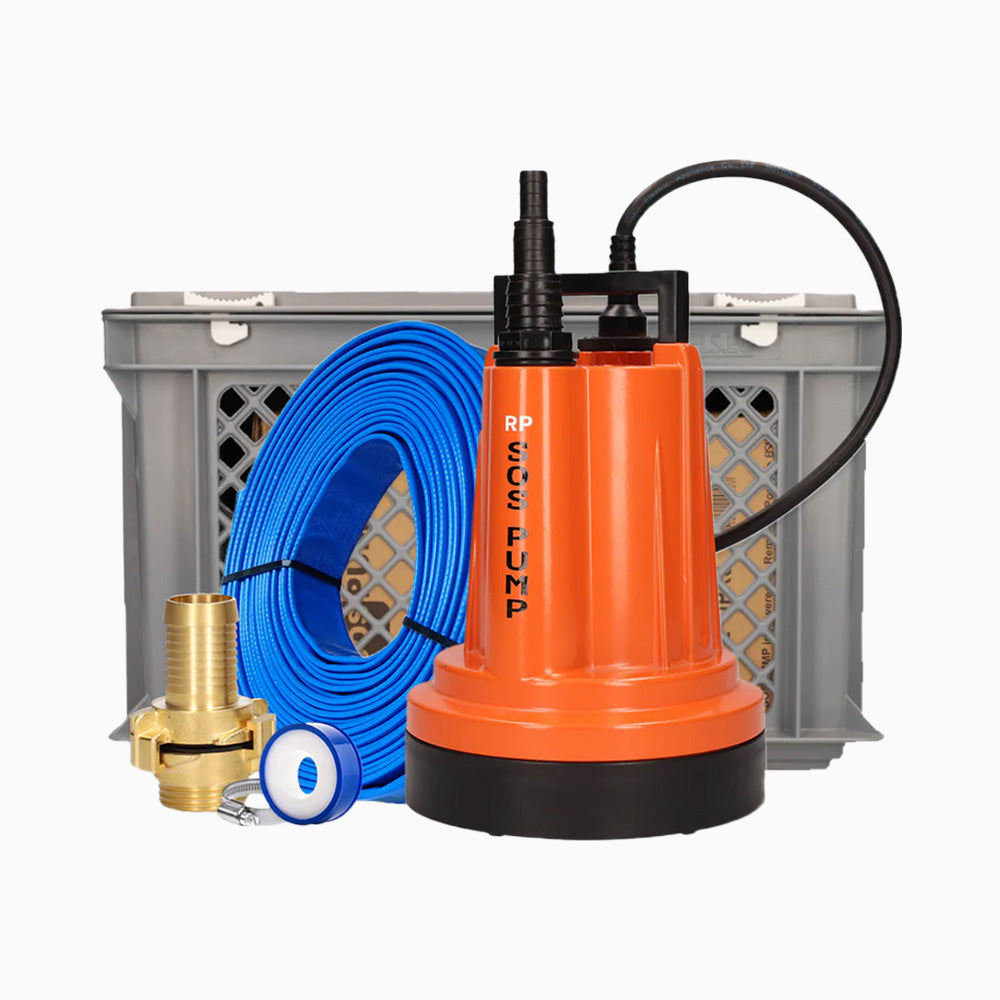
Plug & Play Submersible Pump Set
Installing a submersible pump with float
Installing a submersible pump with a float switch is basically simple, but requires attention to detail to prevent malfunctions. Follow these steps for a successful installation:
Step 1: Prepare the surface
Never place the pump directly on sandy or muddy ground. The pump can become stuck or clogged by silt. Use a flat tile or a dedicated pump pit. In situations with heavy soiling, it's advisable to read "What to do if the float gets stuck due to dirt or silt?" to prevent future problems.
Step 2: Adjusting the float height
Many pumps with an external float allow you to adjust the cable length. The shorter the cable, the more often the pump will cycle at a lower water level. Be sure to give the motor sufficient time to cool down and prevent it from cycling (switching on and off too quickly). For advanced settings, see Self-regulating pumps: The benefits of an adjustable float height .
Step 3: Connecting the drain
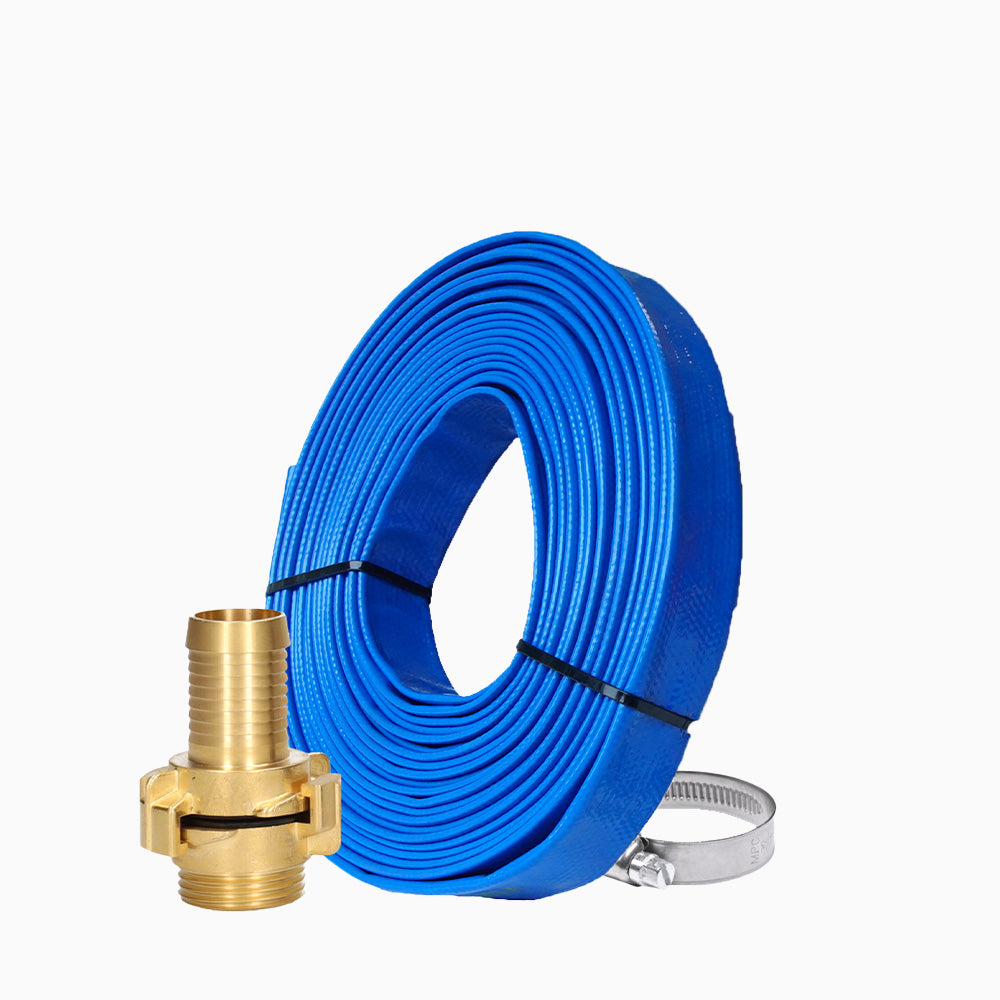
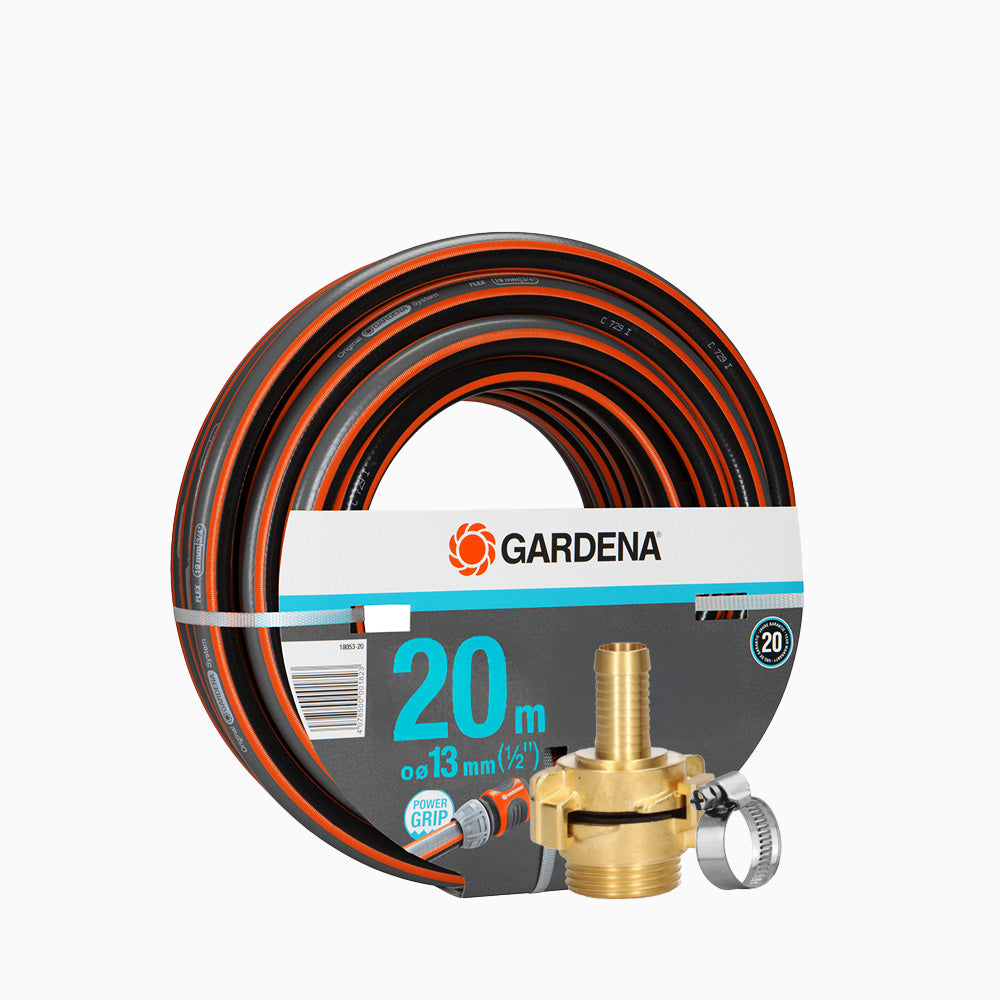
Use a discharge hose with a diameter appropriate for the pump's capacity. A hose that is too narrow will create resistance, resulting in a lower pump output and increased heat. Always use Teflon tape on the threads to ensure a watertight seal. For a complete guide, see: Installing and Maintaining a Submersible Pump: A Step-by-Step Guide .
Maintenance: How to extend the lifespan
A submersible pump with a float switch often sits idle for long periods in a damp, dirty environment. This is the biggest enemy of mechanical components. Regular maintenance is therefore crucial.
Check the float's movement at least twice a year. Limescale and algae can weigh the float down or cause it to stick to the housing. Clean the outside of the pump with a brush and clean water. Don't forget the float itself; a clean float responds more accurately to the water level. Read our dedicated guide: How to clean the float of a submersible pump .
Also test the pump manually by lifting the float while the plug is connected. If you hear the motor running, the system is still operational. Always pay attention to safety; water and electricity are a dangerous combination. Consult Safety Requirements for Connecting a Submersible Pump to Electricity for the appropriate precautions.

Submersible pump with water sensor 3mm
Common float problems
Even the best pumps can malfunction. The most common problem is: "My pump keeps running even when the water is gone." This usually indicates a float that's physically touching something or a faulty internal switch. In the article "Why won't my submersible pump shut off? Causes and solutions," we delve deeper into the technical causes of this.
Another problem is a pump that doesn't start at all. This could be due to a broken float cable or a burnt capacitor. Sometimes the float is simply too light for the type of fluid (for example, with thick mud). For help with diagnosis, you can consult Float Troubleshooting and Common Malfunctions . If the float is truly defective, consider the following questions: Replacing the float in a submersible pump: Can you do it yourself? before purchasing a new pump.
Frequently asked questions about submersible pumps with float switch
Can a submersible pump with float also be used manually?
Yes, with most models that have an external float, you can click the float onto the pump handle in an upright position. The pump will then run continuously as long as there is power. Be sure to turn the pump off manually to prevent dry running.
At what height should the float switch on?
This depends on your situation. In a basement, you often want the pump to start at 10-15 cm of water. In a pond, this can be higher. Always ensure the pump is at least half submerged when it starts, so the motor is cooled immediately.
What is the difference between a clean water float and a dirty water float?
The float itself often works the same way, but the pump underneath it differs. A wastewater pump has a larger particle size passage, meaning the float must also be resistant to floating debris that could block its movement. Wastewater floats are often more robust.
Share:
Difference between a float arm and a float ball: What do you choose?
The Operation and Different Types of Float Switches