


Installing a submersible pump with a float switch is the most effective way to automatically control flooding, provided it's installed carefully. This manual will show you how to install the pump correctly and, with regular maintenance, ensure years of dry storage.
Why a submersible pump with a float is the right choice
A submersible pump with a float switch is essential for situations where water level management is crucial without requiring constant supervision. The float switch acts as the "brain" of the pump: as soon as the water level rises, the float floats upward and activates the motor. Once the water level has dropped sufficiently, the pump switches itself off again. This not only prevents water damage but also protects the pump from running dry.
When choosing a system, it's important to consider the space where the pump will be installed. In a narrow well, a float arm is often more practical than a float ball on a cable, as it's less likely to get stuck against the walls. For more information on this technique, please consult our article " How Float Switches Work and Different Types ."
Step-by-step: Installing your submersible pump
A successful installation starts with proper preparation. Follow these steps to ensure your submersible pump with float switch functions optimally:
1. The right surface and positioning
Never place the pump directly on sandy or muddy ground. Dirt and silt can clog the suction strainer, leading to overheating. Use a flat tile or a dedicated pump pit. Ensure the pump is stable and cannot tip over due to the force of the water or motor vibrations. For specific location tips, also read " Installing a submersible pump in the basement: What to consider ."
2. Checking the float clearance
This is the most common mistake: the float gets stuck against a wall or a pipe. Manually check whether the float can move freely from the lowest to the highest position. If the float gets stuck, the pump will either not start or will not stop. In the worst case, this can lead to a burnt-out motor. See also " Why won't my submersible pump stop? Causes and solutions " for diagnosing this problem.
3. Connect hoses and couplings
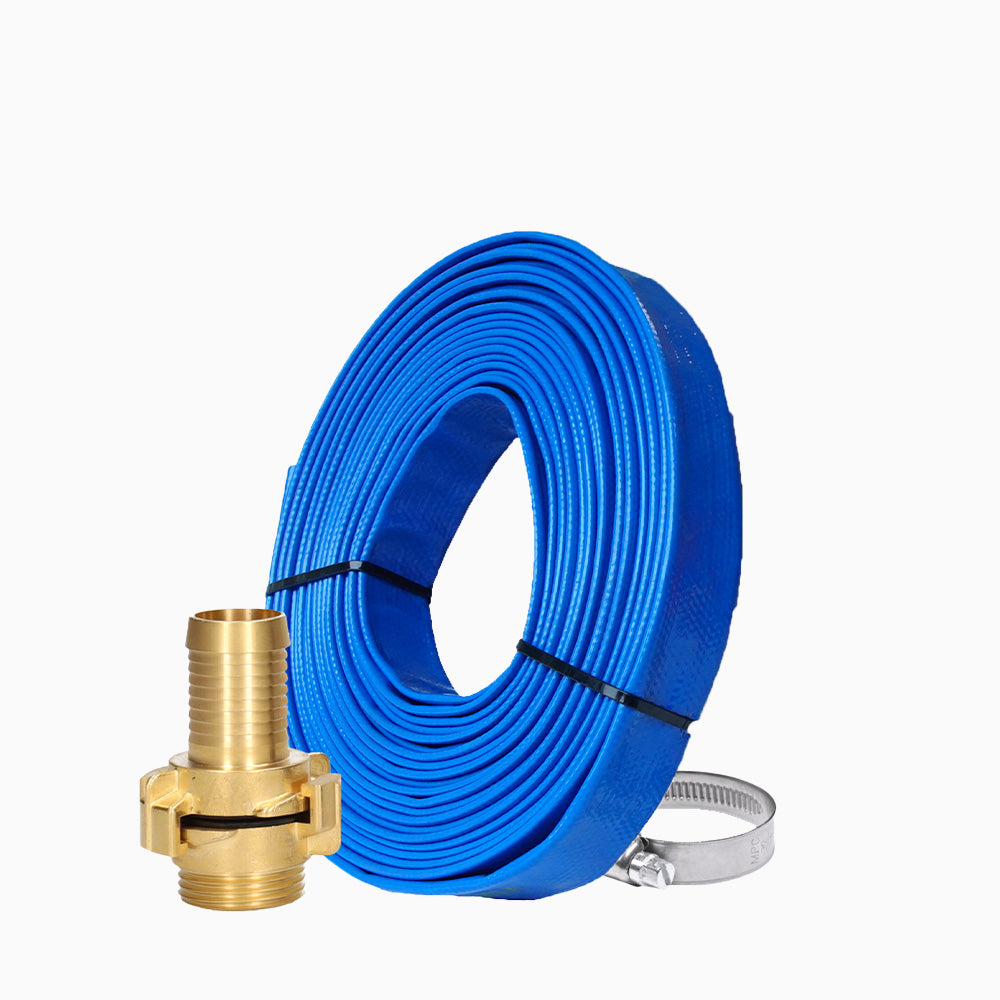
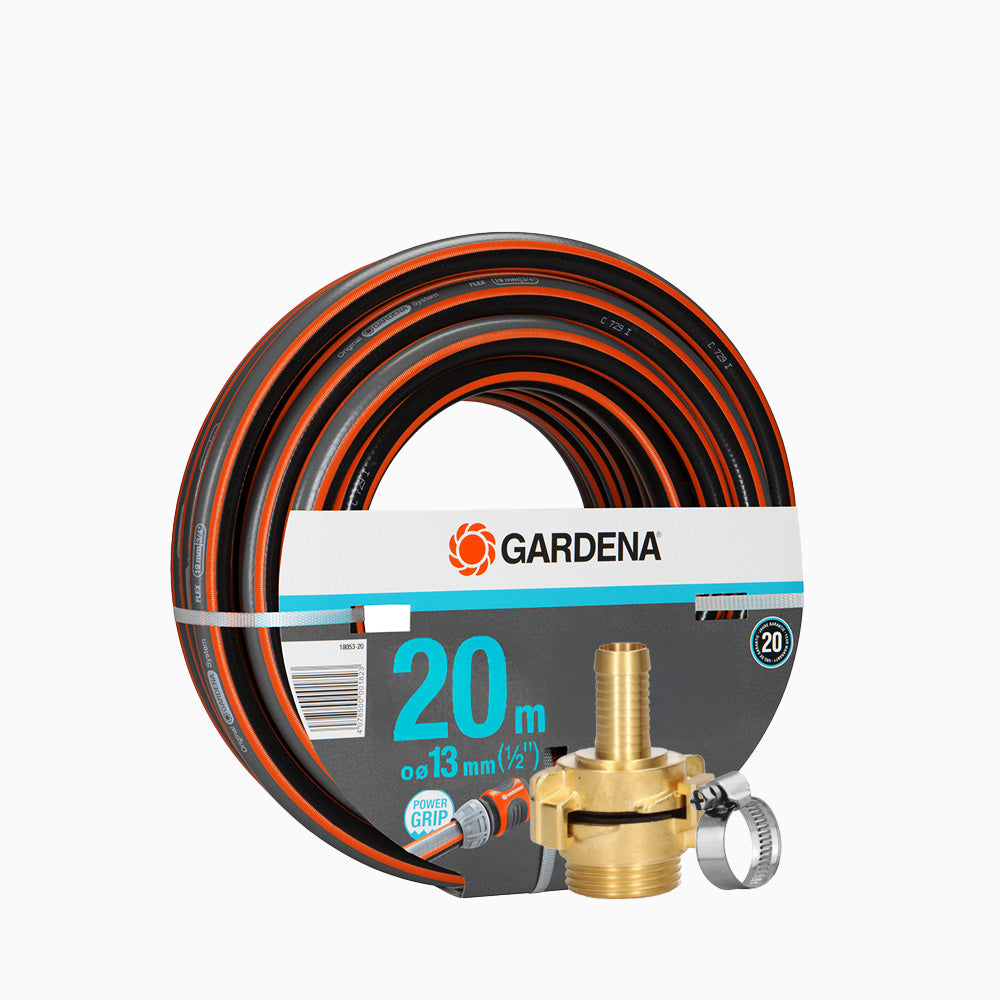
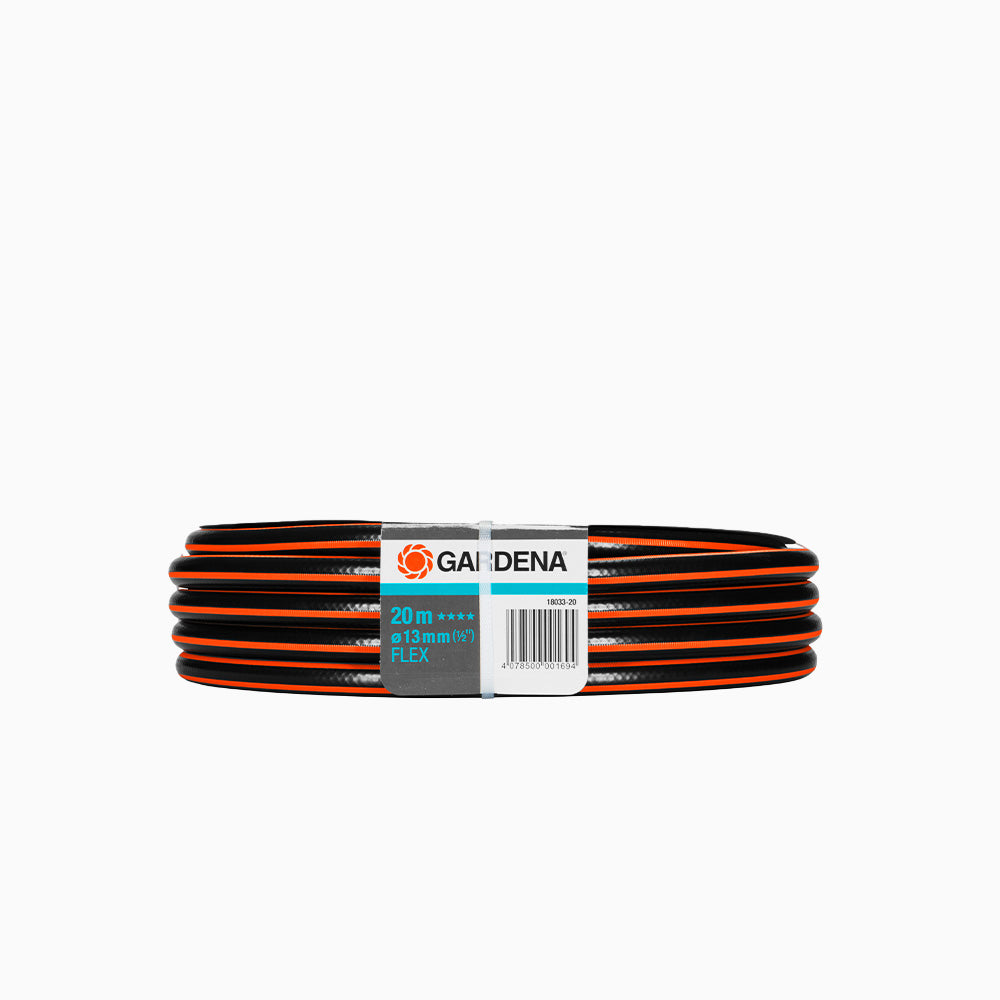
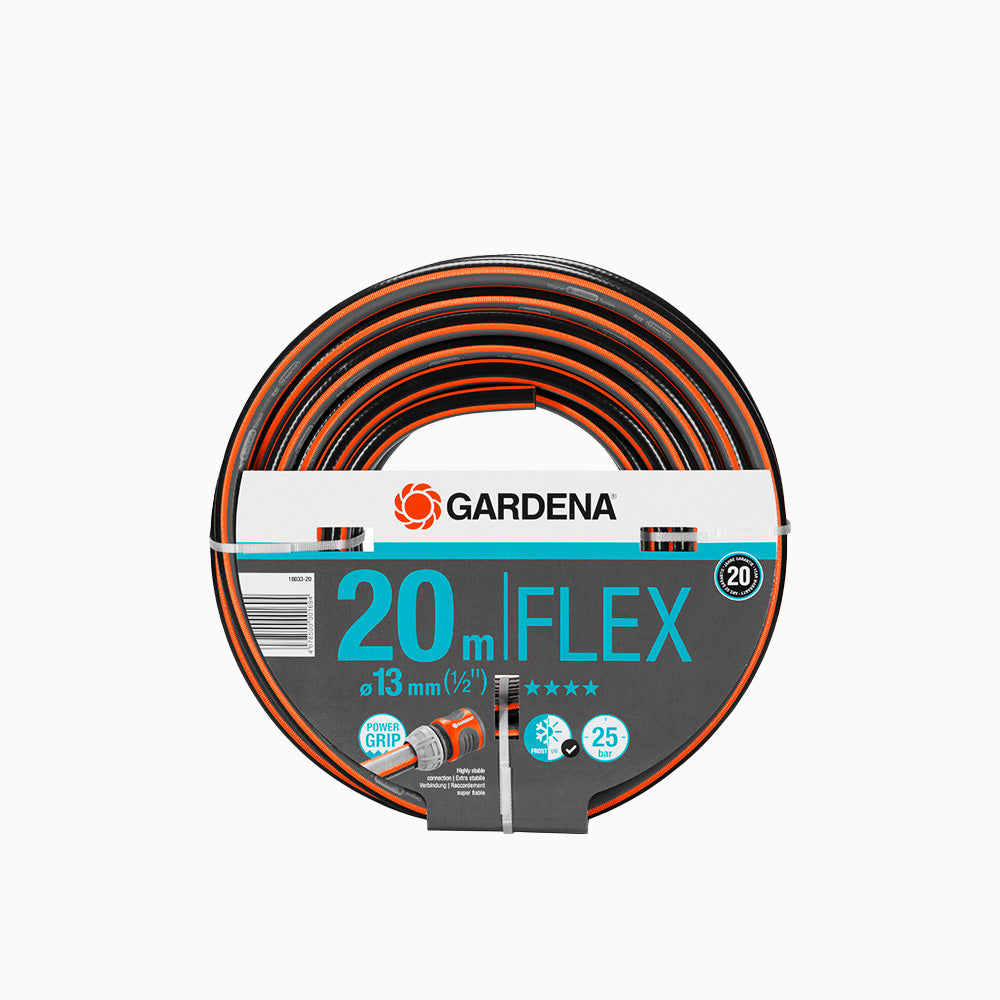
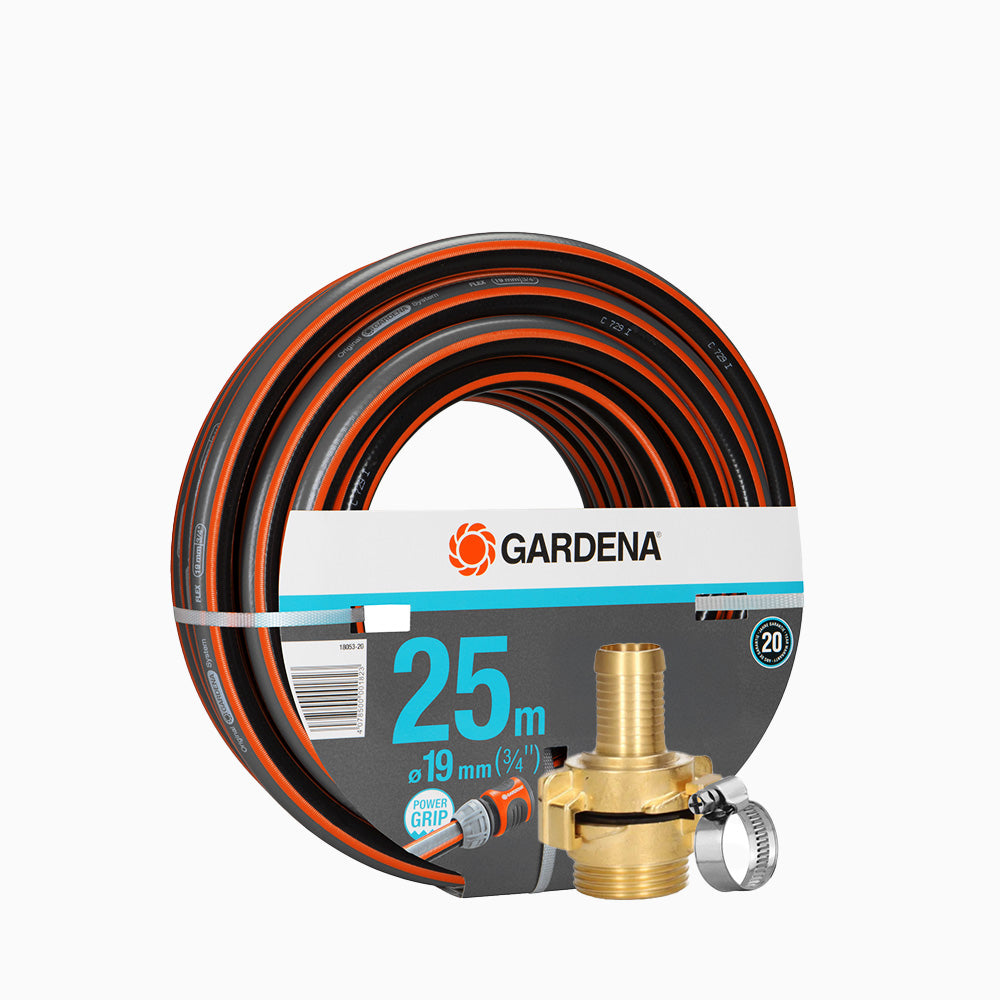
Use a discharge hose with a diameter at least equal to the pump outlet. A hose that is too narrow will create resistance, causing the pump to pump fewer liters per hour and work harder. Always use a high-quality sealant on threaded connections to prevent leaks.

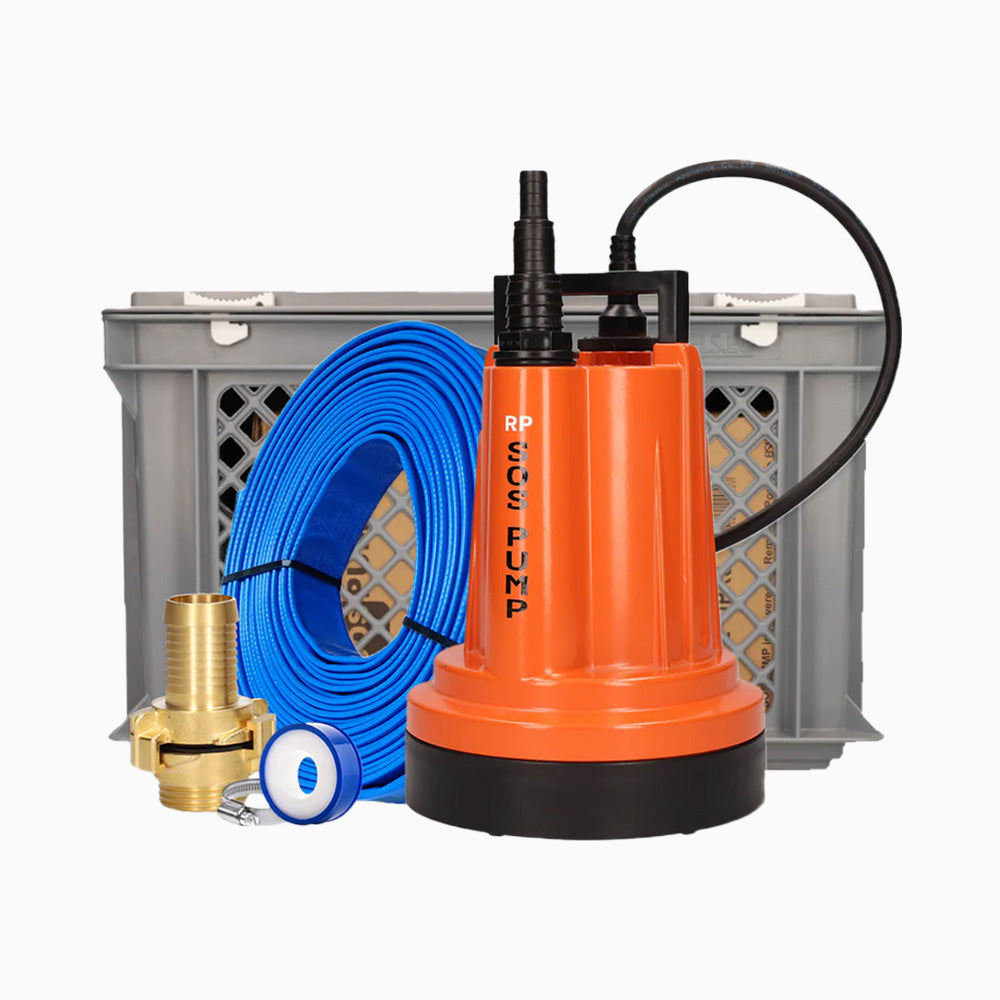
Plug & Play Submersible Pump Set
4. Electrical safety
Water and electricity are a dangerous combination. Make sure the pump is connected to a grounded outlet and that the cable is not live or kinked. For technical details, see " Safety requirements for connecting a submersible pump to electricity ."
Maintenance: How to extend the lifespan
A submersible pump with a float switch often sits idle for long periods in damp or dirty water. Without maintenance, limescale and algae can block the moving parts. We recommend an inspection at least twice a year.
Cleaning the suction strainer and float
Remove the pump from the water and rinse the bottom thoroughly with clean water. Remove any leaves, hair, or other debris that may have settled in the basket. Pay special attention to the float itself; if a layer of slime or limescale forms on it, it will become heavier or stiffer. We explain this process in detail in our article " How to Clean the Float of a Submersible Pump? "
Testing the operation
Fill the well or a bucket with water to see if the pump starts and stops automatically. Listen for any unusual noises. A rattling sound could indicate a small stone in the impeller, while a humming sound without water displacement often indicates a blocked exhaust or a faulty capacitor.

Submersible pump with water sensor 3mm
Prevent common problems
Many problems can be traced back to the float. Sometimes the float ball becomes punctured, causing it to no longer float. In that case, you need to take action. Wondering if repair is possible? Then read " Replacing the float in a submersible pump: Can you do it yourself? " It's also essential to know " What to do if the float gets stuck due to dirt or sludge? ", as this is the most common cause of a pump failure during a rain shower.
Frequently asked questions about installation and maintenance
How high should I set the float?
The cut-in height should be set so that the pump is completely submerged before starting (for cooling), but low enough to prevent flooding. The cut-out height should be above the level where the pump begins to draw in air.
Can I lower the submersible pump by the power cord?
No, this is very unwise. The power cord isn't designed to support the weight of the pump. Always use a sturdy rope or chain attached to the pump's handle to lower or raise it.
My pump is humming but not moving any water, what now?
This could indicate an air bubble in the pump housing (an air lock). Tilt the pump slightly underwater to release the air. Also check that the impeller isn't blocked by debris.
Share:
Difference between a float arm and a float ball: What do you choose?
The Ultimate Guide to the Submersible Float Pump: Everything You Need to Know