


Nothing is more annoying than a basement or construction pit flooding because your pump's float is stuck in mud. This guide will teach you how to identify a blocked float, clean it, and prevent dirt and sludge from disrupting its operation in the future.
The biggest enemy of the submersible pump with float: sludge and dirt
A submersible pump with a float switch is a reliable tool, but in heavily polluted water, the mechanism is severely impacted. When pumping water from a pond, a construction pit, or a flooded basement where a lot of sand and mud has flowed in, a thick layer of sludge can build up. This sludge acts as a kind of glue for the float switch.
If the float can't move freely, the pump won't start when the water rises, or—even worse—it won't stop when the water drains. The latter can lead to dry running and irreparable damage to the motor. Understanding the mechanical limitations is essential for anyone working in challenging conditions.
Step-by-step plan: Freeing a stuck float
If you notice the pump isn't responding, follow these steps to get the float working again:
- Power off: Safety first. Always unplug the pump before touching it. For more safety instructions, see " Safety Requirements for Connecting a Submersible Pump to Electricity ."
- Manual check: Carefully lift the pump by the handle (never by the cable!). Check for twigs, stones, or large clumps of sludge between the float arm and the pump housing.
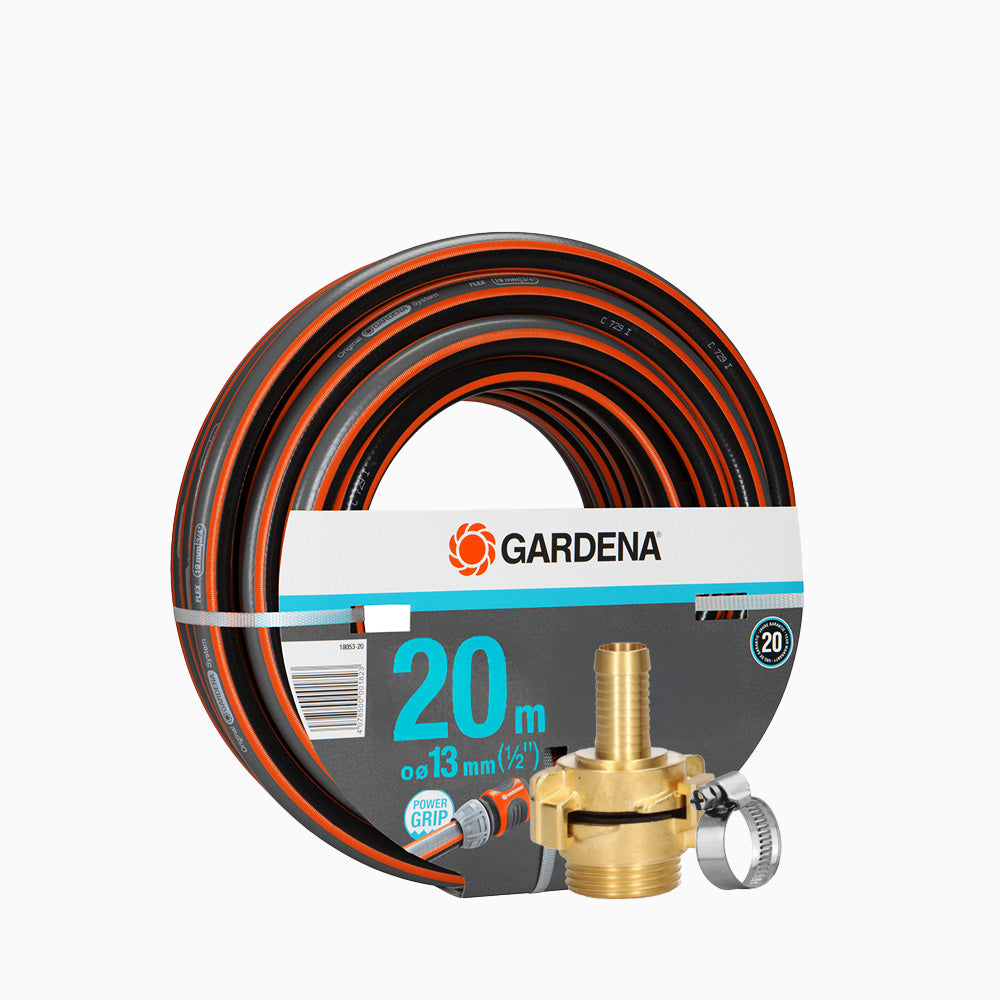
- Rinse with clean water: Use a garden hose to thoroughly clean the float and the pivot point. Sometimes, debris can build up inside the float housing, obstructing the internal ball switch.
- Testing: Manually move the float up and down. You should hear or feel a distinct "click."
For a deeper cleaning of the entire system, we recommend looking at “ How to Clean a Submersible Pump Float? ” for specific maintenance tips.
Prevention: Prevent the float from blocking again
Prevention is better than cure, especially when it comes to flooding. If you know you'll be working in a muddy environment, you can take the following measures:
1. Use a booster
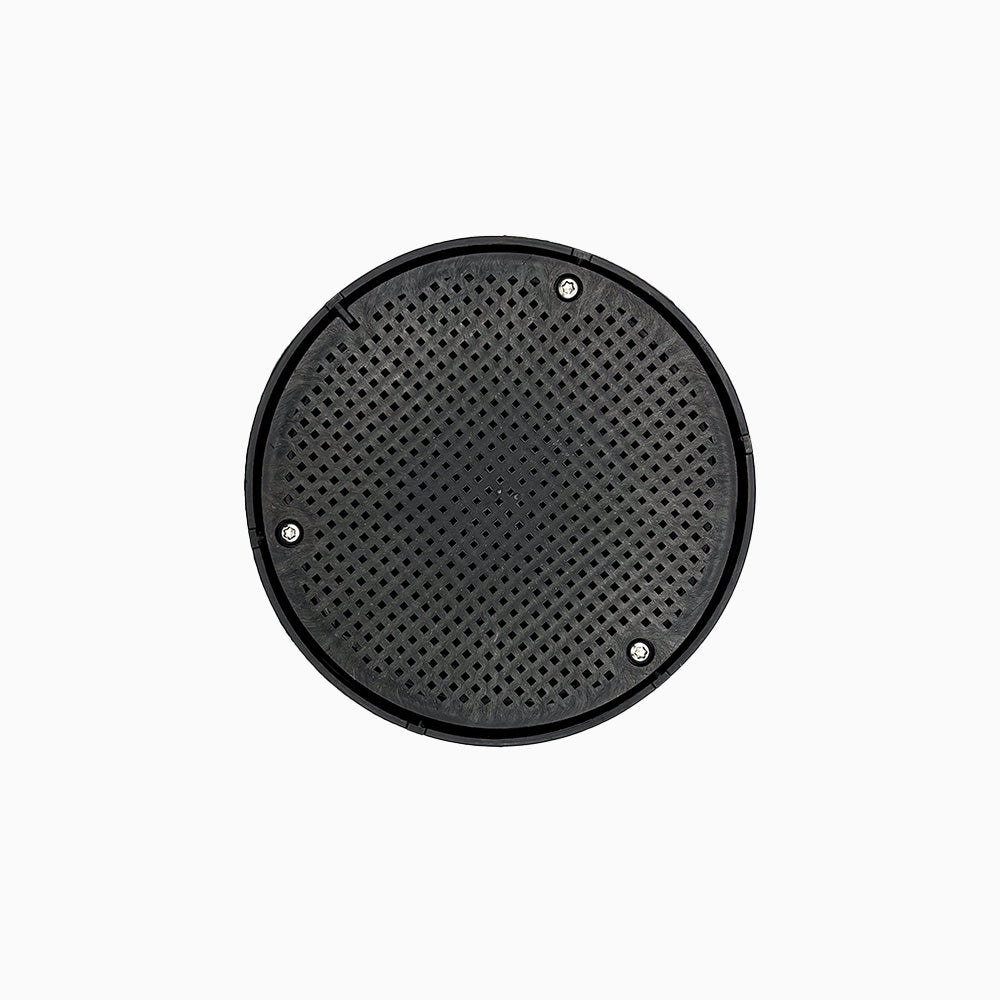
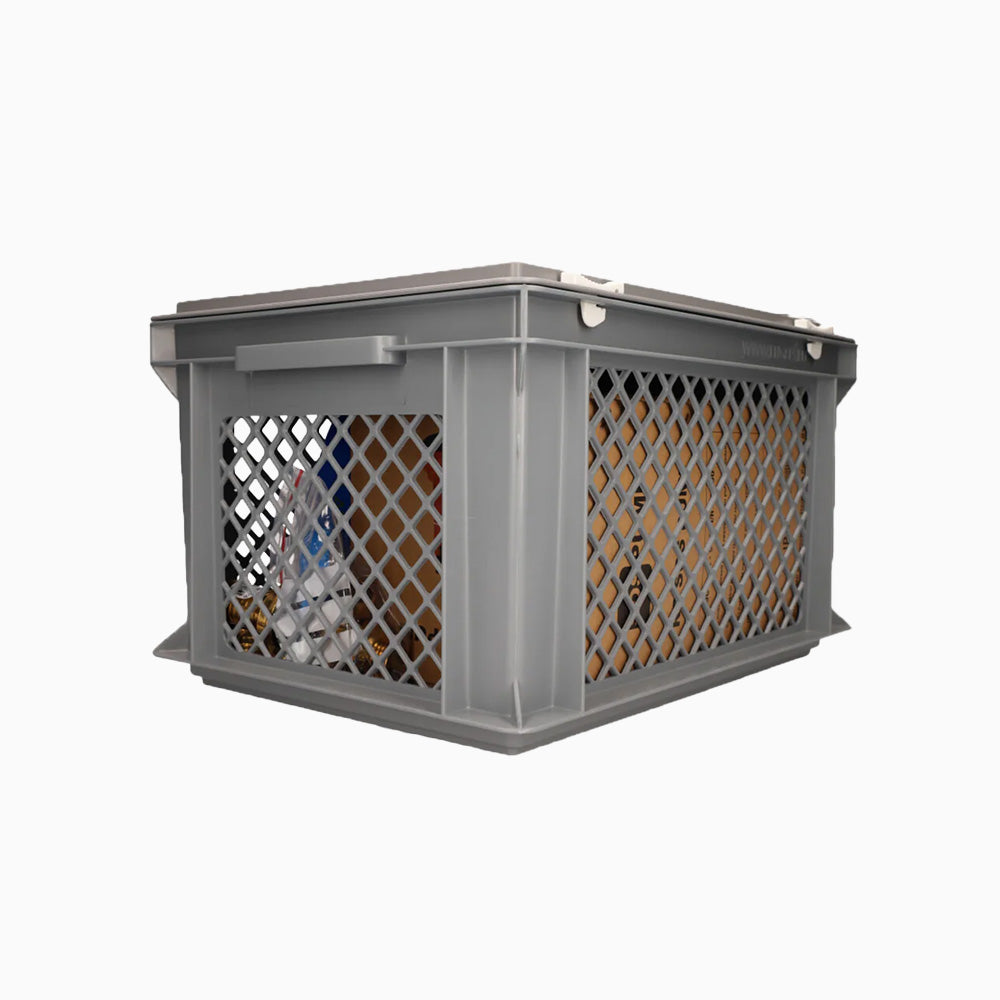
Never place the submersible pump directly on soft, muddy ground. Place the pump on a paving stone or in a perforated bucket. This will prevent the pump from drawing in sludge directly, and the float will remain above the thickest layer of mud.
2. Check the float clearance
Make sure the float cable is the correct length. A cable that's too long can get tangled in nearby objects or the pump itself. You can read more about this in " Self-Regulating Pumps: The Benefits of an Adjustable Float Height ."
3. Choose the right pump for the job
Not every pump is suitable for heavy debris. If you regularly handle solids, a dedicated wastewater pump with a large grain size is essential.

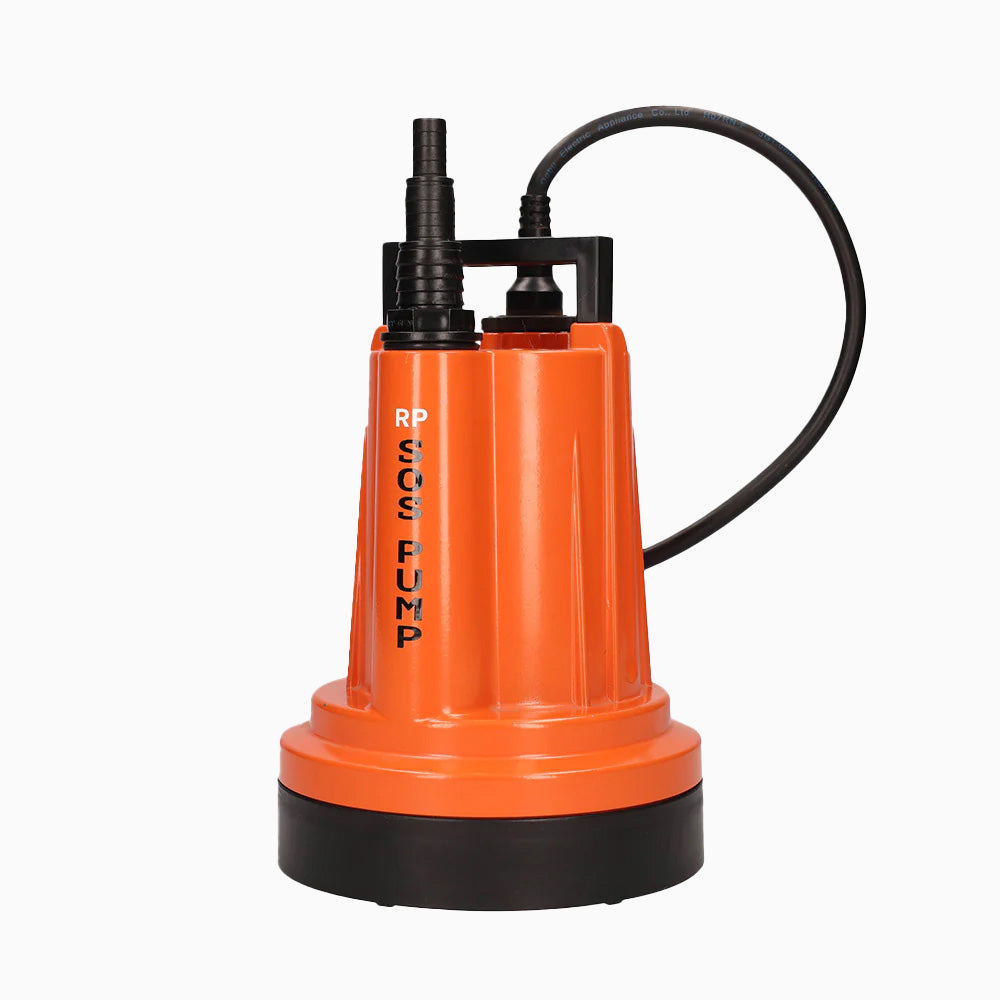
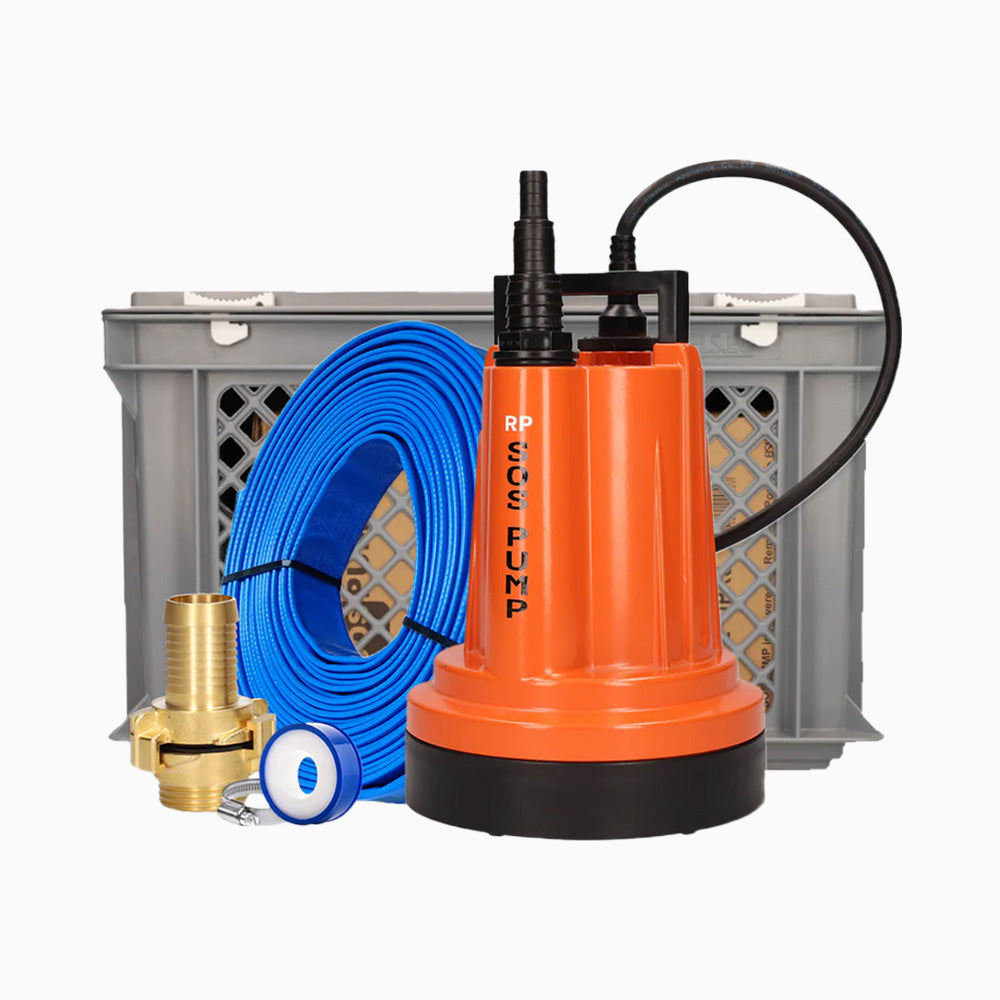
Plug & Play Submersible Pump Set
For situations where a floating float simply takes up too much space or gets stuck too often, a model with an internal sensor or a vertical float can offer a solution. This minimizes the chance of external factors affecting the circuit.

Submersible pump with water sensor 3mm
What if the float remains defective?
Sometimes cleaning isn't enough. If the internal microswitch has been damaged by moisture or wear, the pump will remain unreliable. In that case, you should consider whether repair is still cost-effective. In our article " Replacing the Float in a Submersible Pump: Can You Do It Yourself? ", we explain when replacement is the best option and how to go about it.
Does the pump continue to run even though the float is down? Then immediately consult " Why won't my submersible pump shut off? Causes and solutions " to prevent overheating.
Frequently asked questions about float blockages
Can I fix the float so that the pump is always on?
Yes, you can do that by tying the float up, but this is risky. You'll have to be constantly present to manually turn off the pump once the water runs out, otherwise the motor will burn out.
How often should I check the float when using it in dirty water?
For intensive use in a construction pit or pond, we recommend visually inspecting the float weekly and rinsing it thoroughly with clean water after each major job.
My float is clean but the pump is still not responding, what now?
Check if there's an air bubble in the pump housing (airlock) or if the impeller at the bottom of the pump is blocked by a small stone. If the float clicks but nothing happens, the capacitor or motor may be defective.
Share:
Replacing the float of a submersible pump: Can you do it yourself?
How does a magnetic float switch work in a submersible pump?