


Do you live in an apartment or simply don't have an outdoor tap, but still want to water your balcony plants without lugging watering cans around? Connecting a garden hose to your kitchen faucet is the ideal solution for this common problem.
Why connect a garden hose indoors?
Not every home is equipped with a convenient outdoor tap. Especially in apartments with a spacious balcony or roof terrace, watering plants can be a real chore. By connecting a garden hose directly to your kitchen faucet or sink tap, you can quickly create a powerful water supply for all your gardening needs. Moreover, you often have the option of using lukewarm water indoors, which some delicate plants appreciate in early spring.
Step by step: Choosing the right coupling
The biggest challenge when connecting a hose to an indoor faucet is the thread. Kitchen faucets usually have a perlator (foam nozzle) with a fine thread, while a standard outdoor faucet has a coarse thread. To overcome this, you need a special adapter.
Step 1: Remove the aerator
Unscrew the end of your kitchen faucet. This is the part where the water comes out and often filters limescale. Keep this ring in a safe place, as you'll need to replace it after use.
Step 2: Installing the adapter
Screw a tap adapter for indoor taps into place of the aerator. These adapters are often universal and fit taps with both internal and external threads. Once secured, you have a connection compatible with standard click systems.
Step 3: Click the garden hose into place
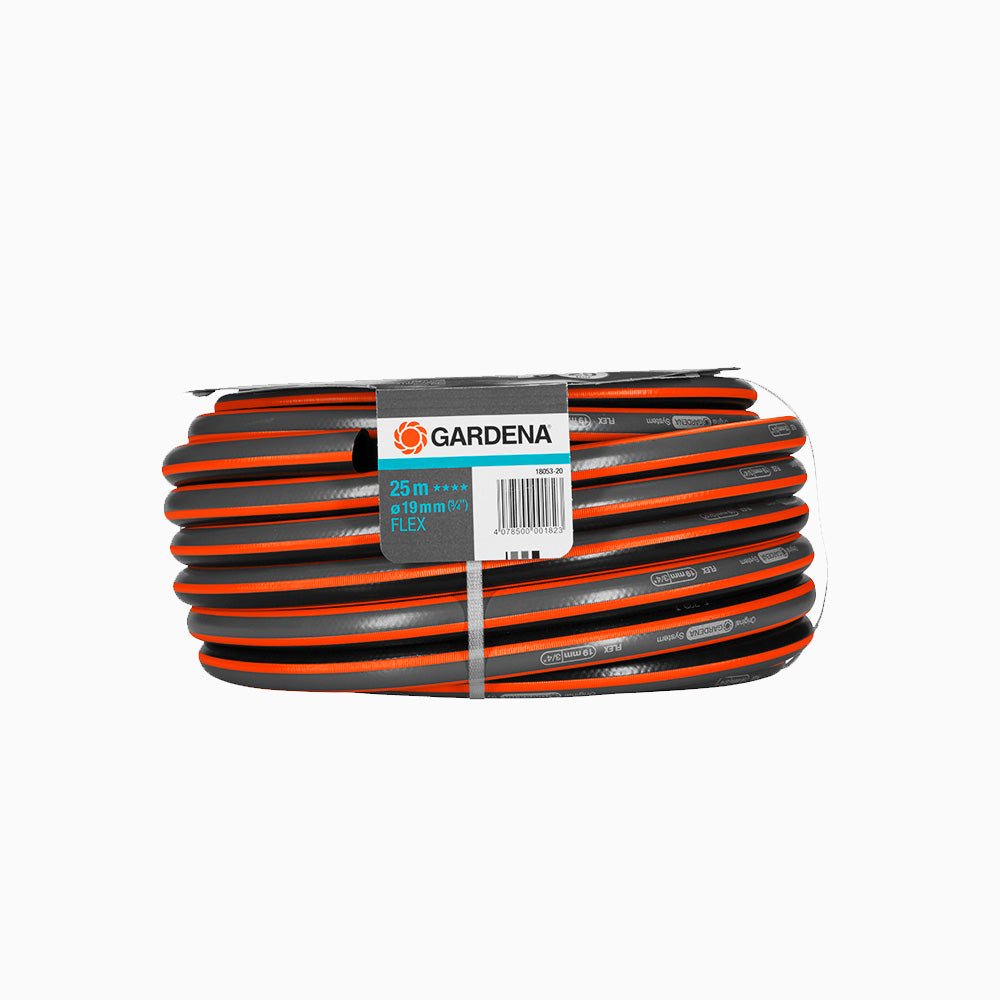
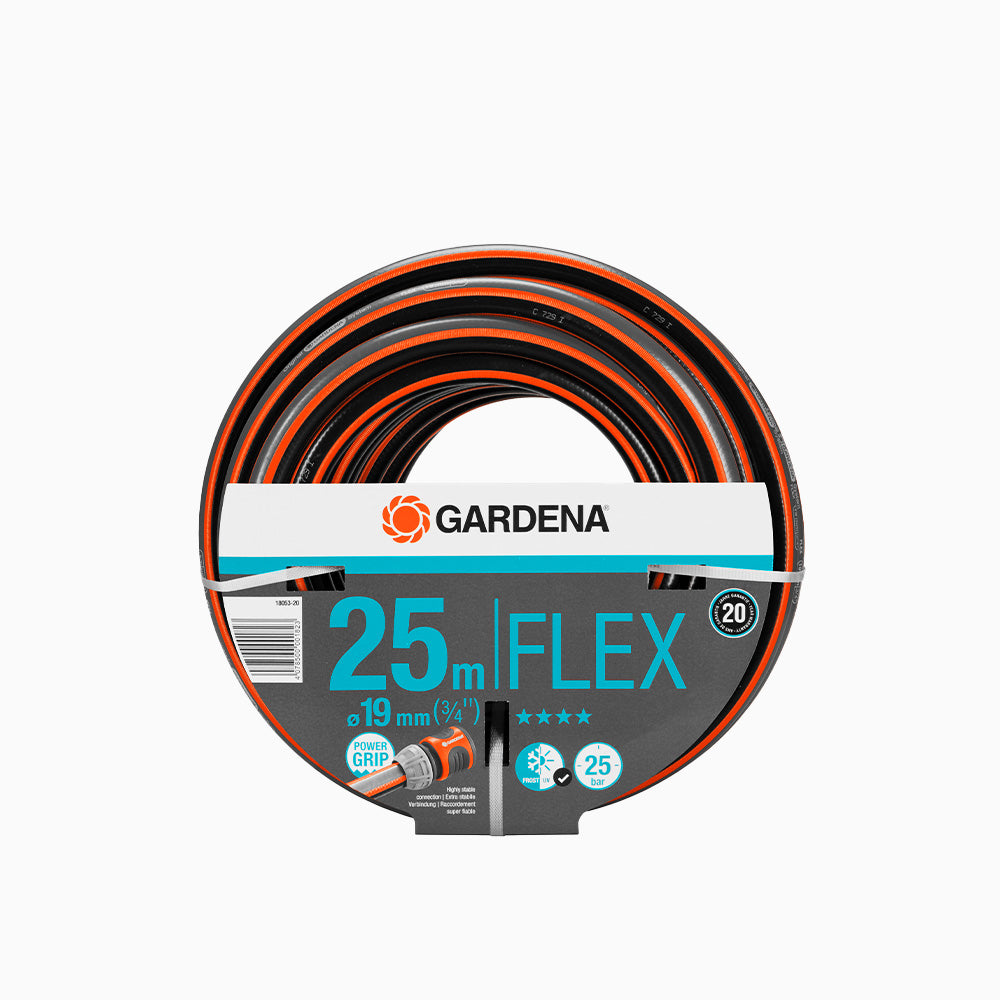
Now that the adapter is on the faucet, you can easily click the hose connector into place. It's best to use a high-quality hose that doesn't kink easily, especially since you'll be pulling the hose through your home and out.
Materials required for a waterproof system
For a leak-free connection, it's essential to use the right materials. If you notice a slight drip between the tap and the adapter,

Teflon Tape

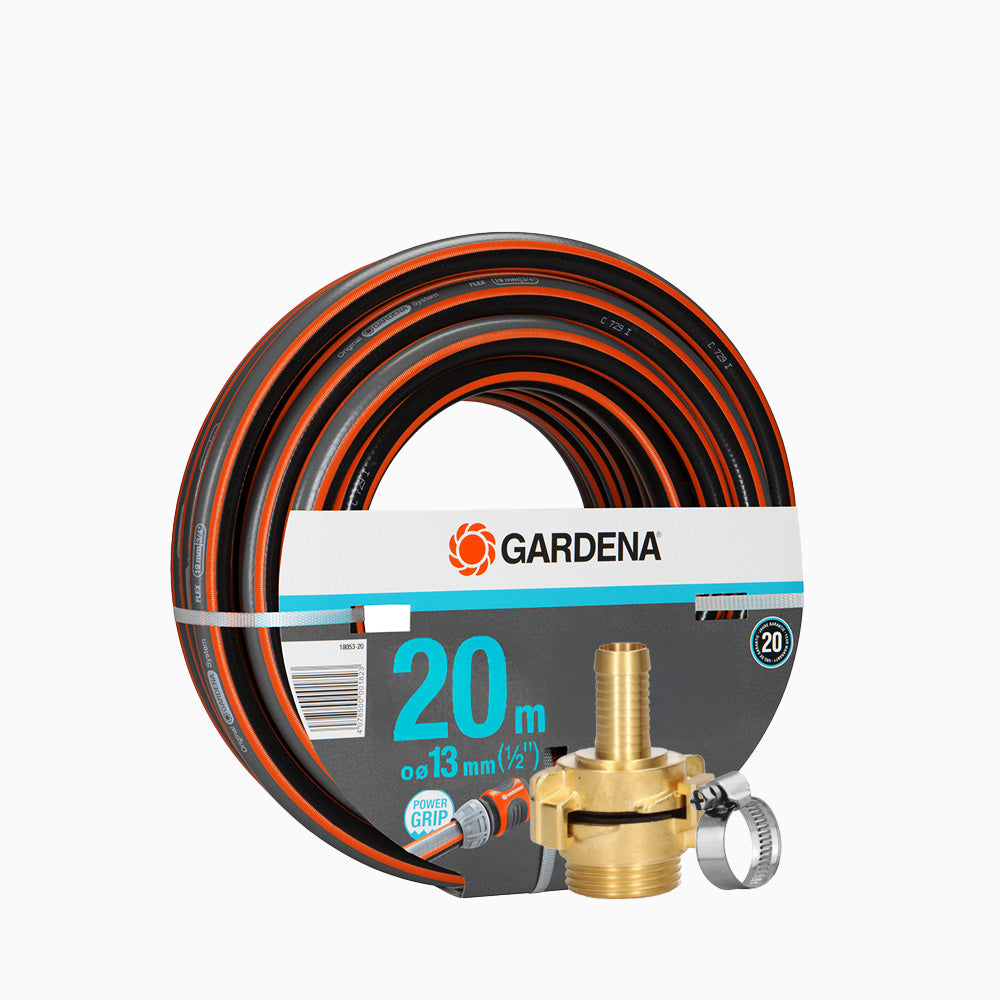
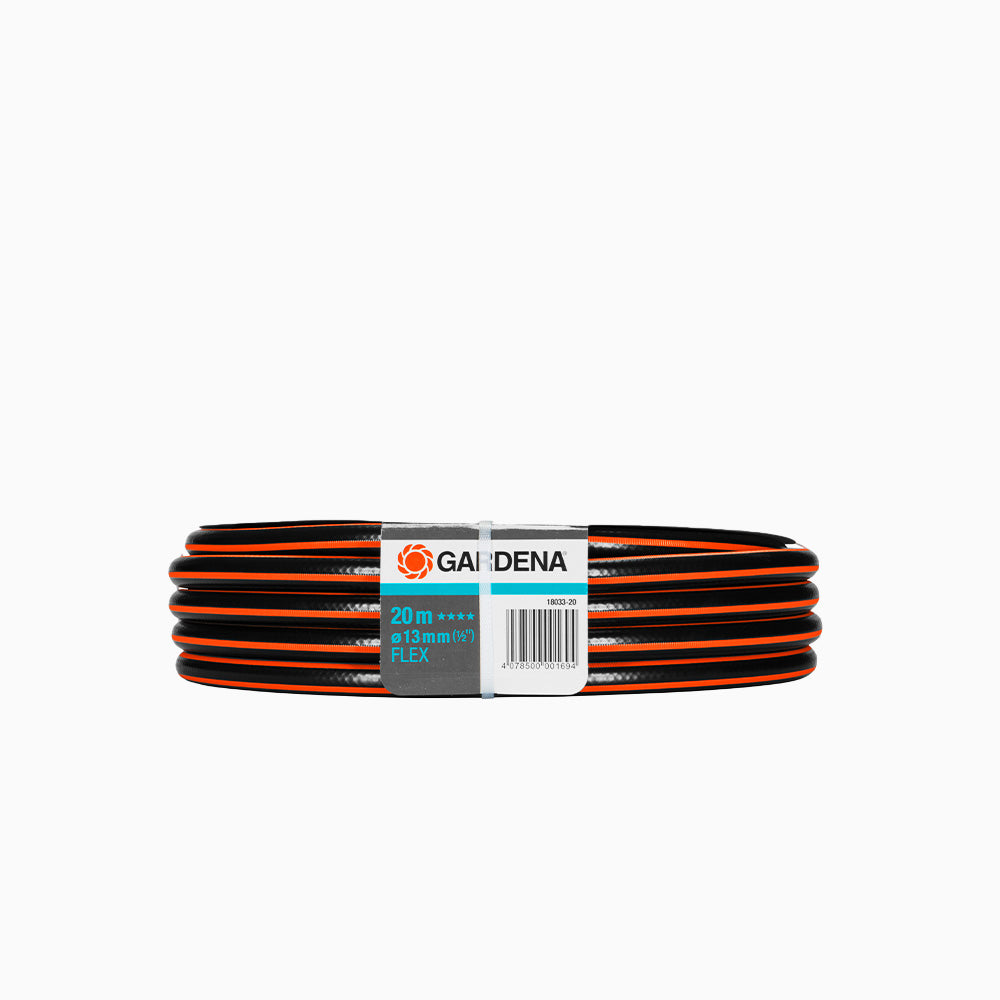
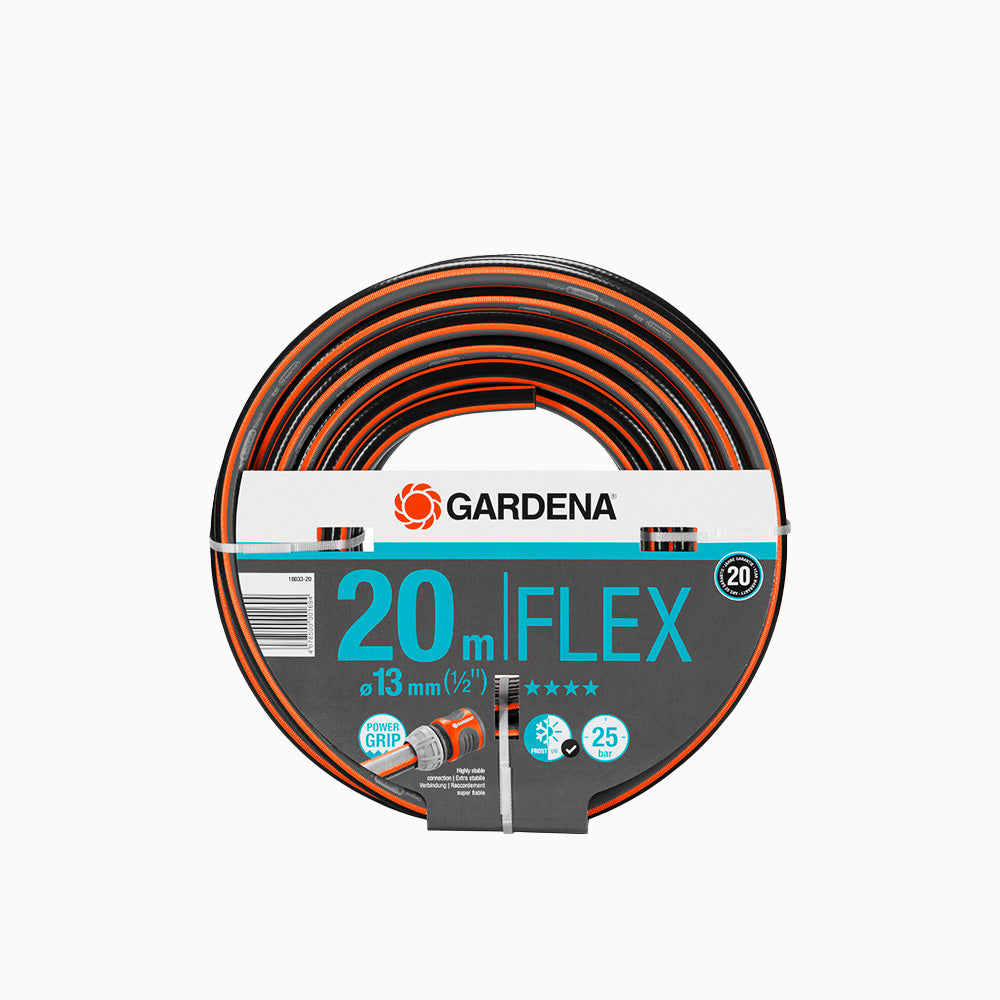
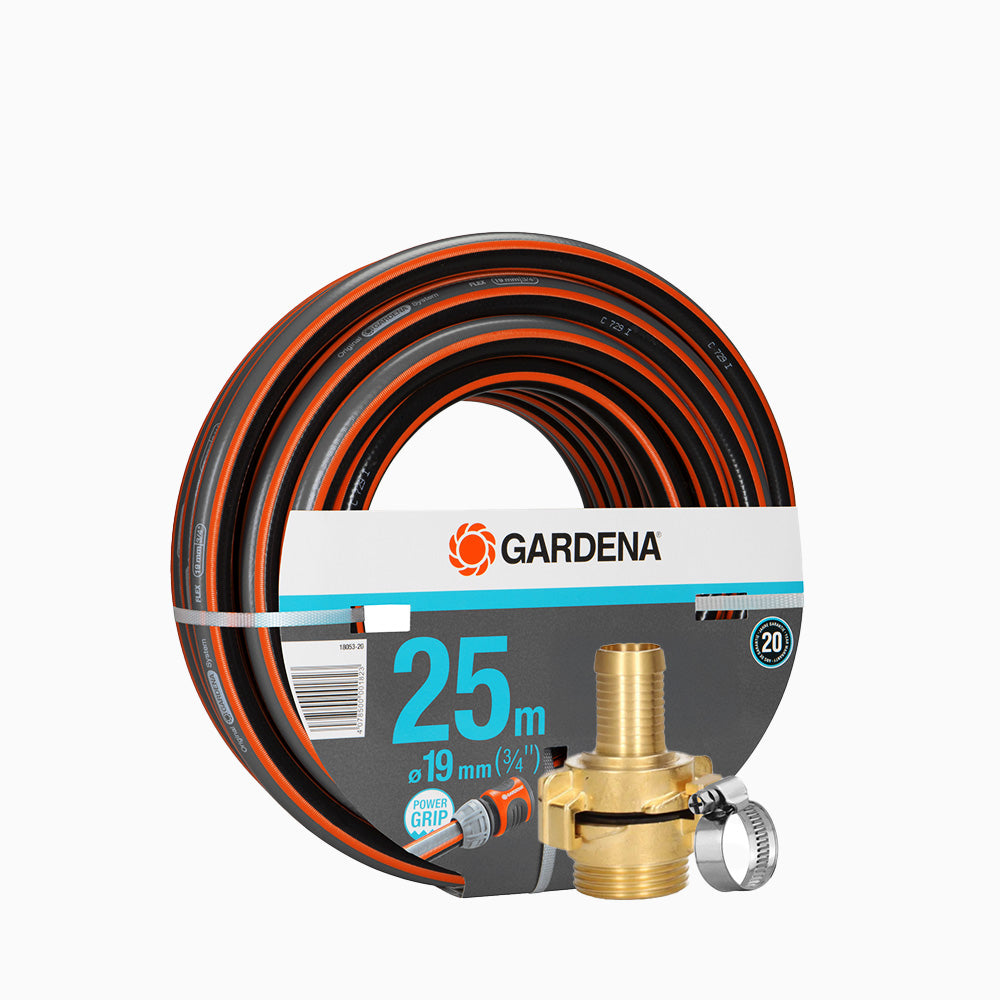
Gardena Garden Hose 20m 13mm
Safety and maintenance
When you're finished watering, it's important to depressurize the hose before disconnecting it indoors. Turn off the faucet and squeeze the spray nozzle one last time over the sink. This prevents any residual water from leaking out of the hose onto your kitchen floor. For more information on preventing problems while watering, read our tips in "Preventing Kinks in Your Garden Hose: Tips and Tricks."
Want to learn more about the different types of hoses suitable for indoor use? Check out our article " Types of Garden Hoses: Which One Is Right for Your Garden? " or delve into the specific advantages of compact solutions in " The Benefits of an Expandable Flexible Garden Hose ."
Frequently Asked Questions
Will any garden hose fit my kitchen faucet?
Not directly. You almost always need an adapter that converts the fine threads of your kitchen faucet to a standard click system for a garden hose.
Can the kitchen faucet handle the pressure of a garden hose?
Yes, a standard kitchen faucet can easily handle the pressure. Just be careful not to immediately turn the faucet to its maximum setting to prevent the fitting from coming loose during a sudden pressure buildup.
How do I prevent leaks in the kitchen?
Make sure your fittings have rubber seals and use Teflon tape if necessary. For a complete repair guide, see "How to Fix a Leaking Garden Hose Fitting."
Share:
Preventing kinks in the garden hose: Tips and tricks for a free water flow
Types of Garden Hoses: Which One Is Right for Your Garden?