SOS PUMP ® Non-return Valve 1" – Prevents backflow of submersible pump

Ordered before 3pm, shipped today.

Product details

Product description

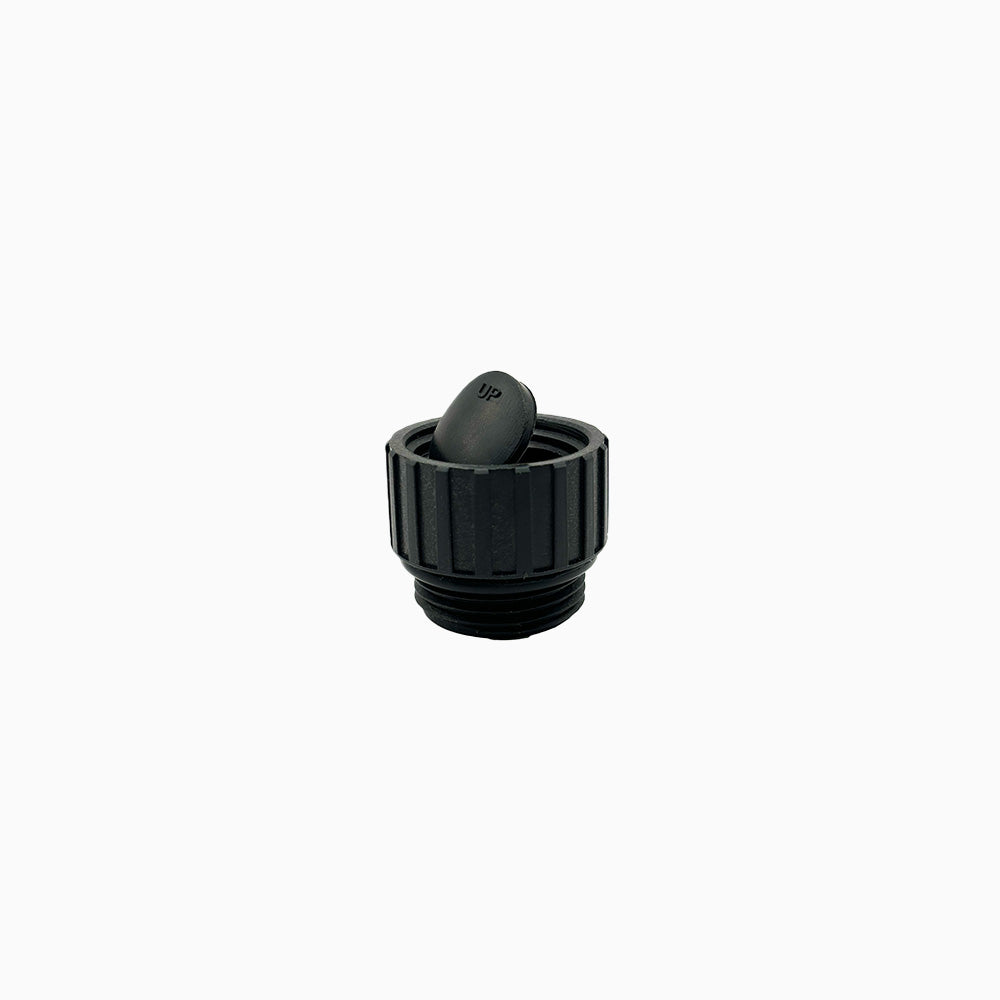
The SOS PUMP® Check Valve (1" female to 1" male thread) is the ideal solution for preventing water backflow in your submersible pump system. This check valve keeps water in the hose, prevents unwanted activation of the float system, and ensures more efficient pump operation. Thanks to its universal connections, the valve is easy to install – ready for immediate use.

Pros and cons

Plus points
✔ Simple and fast
✔ Strong quality
✔ Fast delivery

Technical information
  • Item number: RP.1058
Package contents
  • 1x Non-return valve

SOS PUMP

Features of our pump

Load video:

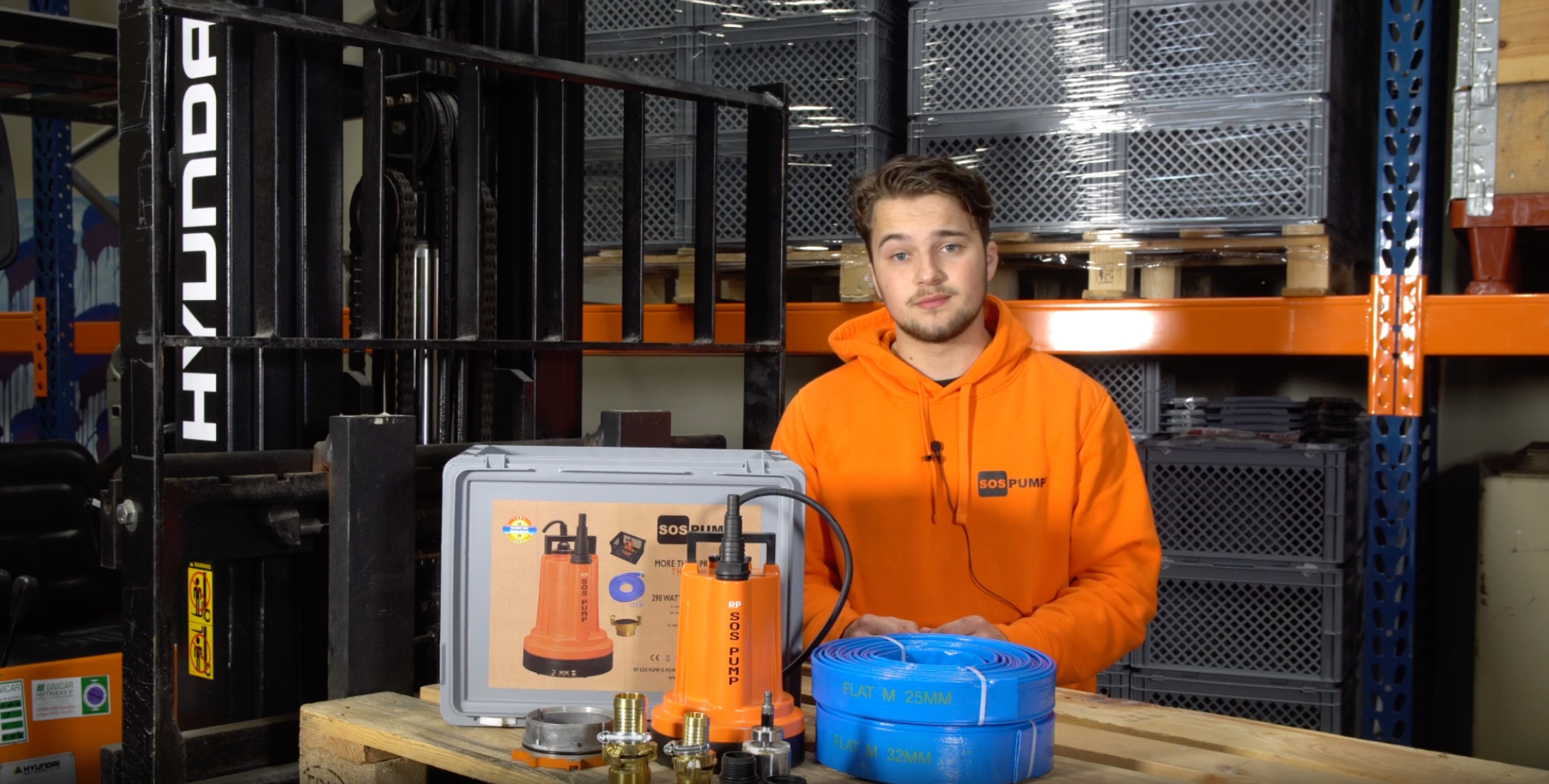
Video instruction

Watch Bart's instructional video to learn more about your product. Still having trouble? Call us or ask your question via our website!

View manual

See what customers bought

Frequently Asked Questions

What is a check valve?

A check valve is an essential component in many fluid systems, including those of submersible pumps. Its primary function is to prevent the backflow of fluids within a piping system. This means that once water has flowed through the valve, it cannot flow back in the other direction. This unidirectional principle is crucial for the efficiency and reliability of pumping systems.

In the context of a submersible pump, a check valve prevents the water pumped out by the pump from backing up into the discharge hose when the pump stops. This has several advantages. First, it prevents unnecessary strain on the pump, as it doesn't have to refill the hose each time. Second, and this is especially important for submersible pumps with a float switch, it prevents the pump from accidentally restarting due to the backflow of water that activates the float.

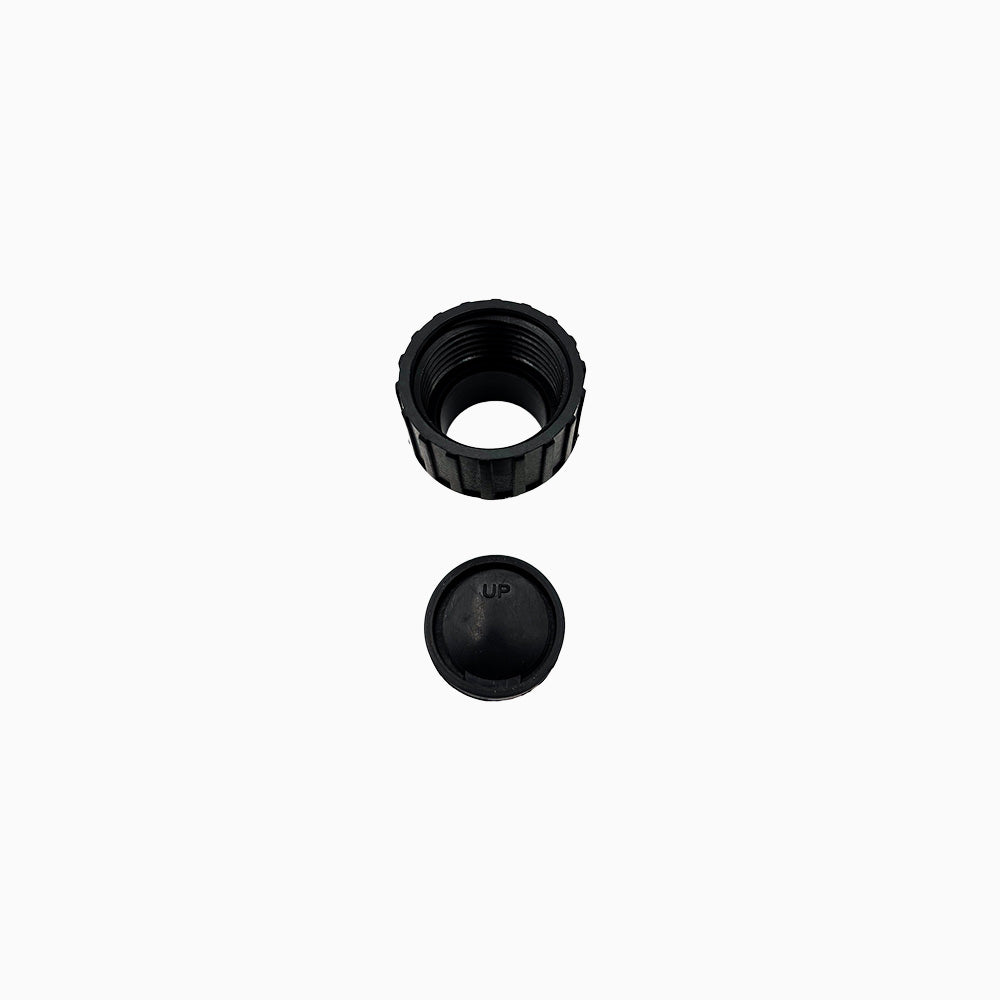
The SOS PUMP® Check Valve 1" female to 1" male thread is specifically designed for this application. It is a connector that easily fits between the pump and the discharge hose. Internal mechanisms, often a spring-loaded valve or a hinged flapper, ensure that the valve opens when the pump is discharging water and closes as soon as the water pressure drops or reverses. This ensures efficient and trouble-free operation of your pump system.

How do you choose the right non-return valve?

Choosing the right check valve is crucial for optimal operation of your pump system. While the function of every check valve is the same – preventing backflow – there are specific features you should consider to find the perfect match for your situation.

The most important consideration is the connection size. Our SOS PUMP® check valve has a 1" (25mm) female to 1" (25mm) male thread. This means it fits perfectly on hoses and connections with a 25mm diameter. Always check the diameter of your submersible pump's outlet and the diameter of your discharge hose to ensure the check valve is compatible. An incorrect size can lead to leaks or reduced flow, which negatively impacts your pump's efficiency.

The material of the check valve is also relevant. Our check valve is made of durable material that can withstand the conditions a submersible pump typically operates in, such as contact with water and any small particles. Specialized check valves are required for specific applications, such as pumping chemically aggressive fluids, but this model is ideal for standard water displacement with a submersible pump.

Also note the maximum pressure the check valve can withstand. While this is rarely an issue with submersible pumps, it's important to know that every valve has a specific pressure limit. The SOS PUMP® check valve is designed to effortlessly handle the pressures generated by standard submersible pumps. Its easy installation, ready to use, makes this check valve a universal and practical choice for most submersible pump users.

Practical tips from our non-return valve specialists

A check valve is a relatively simple yet highly effective component of your pump system. To ensure your check valve functions optimally and has a long service life, our specialists are happy to share some practical tips for installation and maintenance.

Installing the check valve is crucial for proper operation. The SOS PUMP® check valve features a clear flow direction, often indicated by an arrow on the housing. Ensure this arrow points in the direction the water should flow, away from the pump and toward the drain. An incorrectly installed check valve will block the water flow or render it ineffective. Ideally, install the check valve as close as possible to the outlet of the submersible pump. This minimizes the amount of water that can back up into the hose and optimizes the float switch's response.

Although a check valve requires little maintenance, it's advisable to check it periodically. Especially if you're pumping water containing small particles, these can accumulate in the valve and hinder its operation. Symptoms of a malfunctioning check valve include the pump starting more frequently than usual (due to backflow) or difficulty building up pressure. In such cases, it's advisable to disassemble and clean the check valve. Be sure to disconnect the power to the pump before performing any maintenance.

When storing your submersible pump for an extended period, such as over the winter, it's wise to also check the check valve. Ensure that no water remains in the valve, which could freeze and cause damage. A well-maintained check valve not only extends the life of the valve itself but also contributes to the overall efficiency and reliability of your submersible pump system.

Frequently asked questions about the non-return valve

Why is a check valve important for my submersible pump? A check valve prevents water from flowing back into the discharge hose when the pump stops, preventing unnecessary activation of the float and additional strain on the pump.

Can I connect the check valve to any submersible pump? The SOS PUMP® check valve is universal with 1" (25mm) connections. Always check the diameter of your pump's outlet and your hose to ensure compatibility.

Which direction should I install the check valve? The check valve should be installed with the arrow on the housing pointing in the direction of water flow, away from the pump.

What happens if I don't use a check valve? Without a check valve, the water in the discharge hose will flow back to the pump, which can lead to unnecessary pump activation (in float systems) and less efficient operation.